

Micro-segmentation limits ransomware spread by isolating workloads, enforcing least-privilege access, and continuously validating east-west traffic across critical systems.
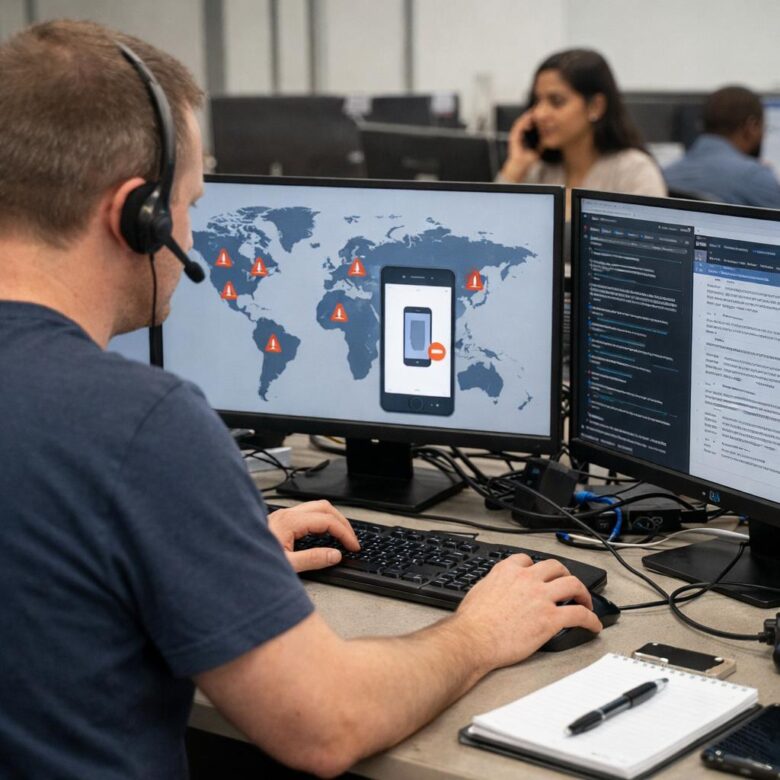
MFA bottlenecks often stem from latency, device gaps, or regional policy conflicts. Audit sign-in logs, tune conditional access, and provide resilient fallback methods for global teams.
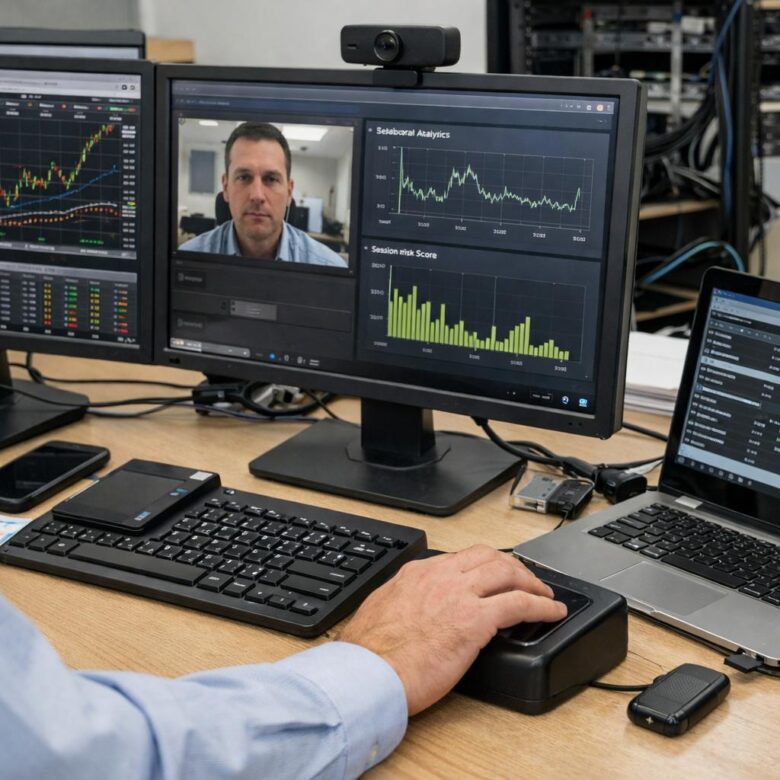
Continuous authentication for high-risk financial data terminals blends biometrics, device posture, session analytics, and step-up checks to detect misuse without disrupting critical workflows.

IAM secures ephemeral cloud workloads by issuing short-lived credentials, enforcing least privilege, and binding access to verified workload identity-not static secrets.

Start by mapping VPN users, apps, and risk levels, then phase in ZTNA with least-privilege policies, MFA, device posture checks, and pilot groups before retiring broad network access.